Italian Immigration to Brazil: A Story That Spanned Generations



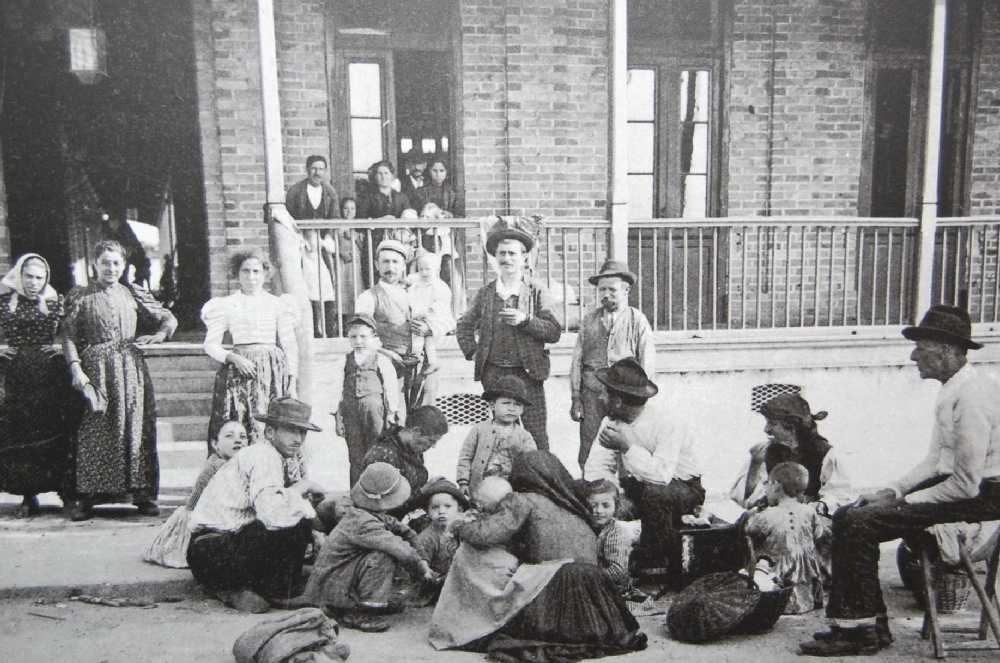
The history of Italian immigration to Brazil gained momentum in the second half of the 19th century, when thousands of families left Italy in search of better living conditions. Poverty, limited employment opportunities, and economic difficulties following Italian unification in 1861 were among the main reasons behind this migration.
In Brazil, the arrival of Italian immigrants increased from the 1870s onward, particularly through government-sponsored immigration programs. Many were sent to coffee plantations in São Paulo, while others settled in agricultural colonies in Rio Grande do Sul, Santa Catarina, Paraná, and Espírito Santo.
Between 1870 and 1920, Italians accounted for approximately 42% of all immigrants arriving in Brazil during the period known as the Great Immigration. An estimated 1.4 million Italians came to the country during those decades.
However, adapting to their new home was not always easy. Many families faced exhausting working conditions, financial difficulties, and poor living standards. Despite these challenges, they established new communities and contributed to Brazil's agriculture, commerce, industry, and cultural life.
Italian influence remains visible today in Brazilian cuisine, architecture, popular celebrations, everyday customs, and family traditions. More than a chapter in the history of immigration, this journey represents the lasting connection between two countries.
A story that began with a journey across the ocean and continued through generations.
Authored by Patrimonio Italiano by WMB Digital Marketing
Did you like this content? Follow our portal or our Instagram profile and stay up to date!